

The Edith and Peter O’Donnell Awards Summit: Celebrating 20 Years of Impact and Innovation featured success stories of past recipients, with selected recipients from the first and second decade of each category invited to present talks and host the meeting.
Learn more about the Edith and Peter O’Donnell Awards Summit speakers and emcees below.
Edith and Peter O’Donnell Awards Summit Speakers and Emcees
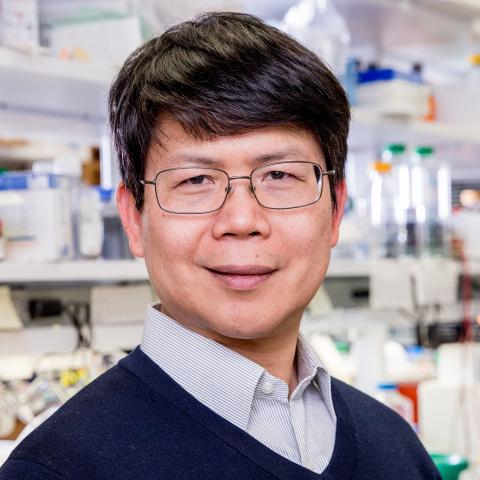
Zhijian “James” Chen, Ph.D. (NAM ’22, NAS ’14, FRS ’25)
George L. MacGregor Distinguished Chair in Biomedical Sciences
Director, Center for Inflammation Research
Professor, Department of Molecular Biology and Center for Genetics of Host Defense
UT Southwestern Medical Center
Investigator, Howard Hughes Medical Institute
2007 O’Donnell Award in Biological Sciences
Dr. Chen has made a series of discoveries that transformed our understanding of cell signaling and innate immunity. His notable discoveries include the Mitochondrial Antiviral Signaling (MAVS) protein and cyclic GMP-AMP synthase (cGAS) that mediate innate immune responses in animal cells. For his work, Dr. Chen has received numerous honors including the Breakthrough Prize in Life Sciences (2019), Louisa Gross Horwitz Prize (2023), Albert Lasker Award for Basic Medical Research (2024), Paul Ehrlich and Ludwig Darmstaedter Prize (2025), Elaine Redding Brinster Prize (2026) and Japan Prize in Life Sciences (2026). Dr. Chen is a member of the National Academy of Sciences and the National Academy of Medicine, and a Fellow of the Royal Society.
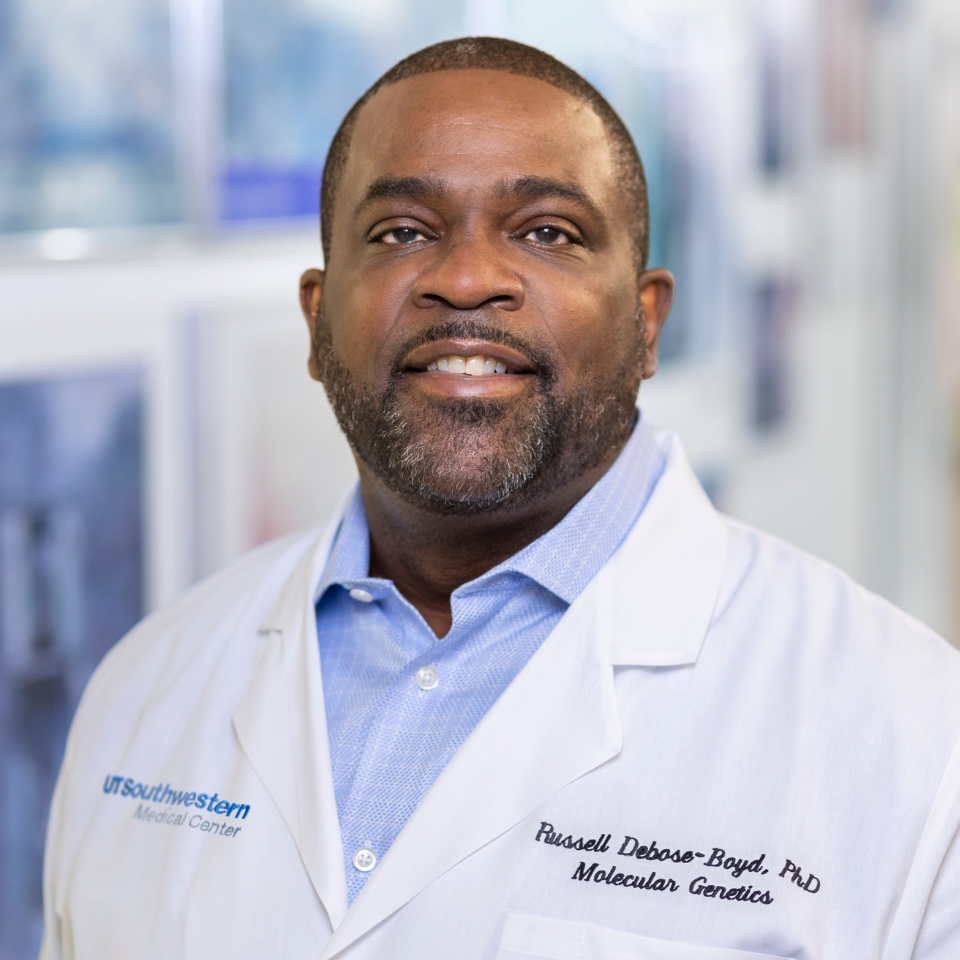
Russell DeBose-Boyd, Ph.D. (NAS ’23)
Beatrice and Miguel Elias Distinguished Chair in Biomedical Science
Professor of Molecular Genetics
UT Southwestern Medical Center
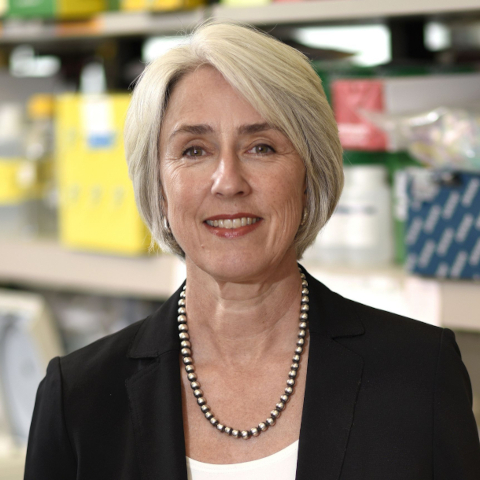
Margaret Goodell, Ph.D. (NAM ’19, NAS ’25)
Professor and Chair, Department of Molecular and Cellular Biology
Director, Stem Cells and Regenerative Medicine Center
Thomas C. Thompson Chair in Cell Biology
Baylor College of Medicine
2011 O’Donnell Award in Medicine
Margaret (“Peggy”) Goodell, Ph.D., is Professor and Chair of the Department of Molecular and Cellular Biology, and Director of the Stem Cells and Regenerative Medicine Center, at Baylor College of Medicine, in Houston, Texas. Dr. Goodell’s research is focused on the mechanisms that regulate hematopoietic stem cells, and their dysregulation in malignancies, particularly DNA Methyltransferase 3A (DNMT3A). Dr. Goodell is a member of the National Academy of Medicine, the National Academy of Sciences, and the American Academy of Arts and Sciences. She is a recipient of the Tobias Award from the International Society for Stem Cell Research, the Dameshek Prize from the American Society of Hematology, and the Edith and Peter O’Donnell Award in Medicine from TAMEST. Dr. Goodell is Chair of the Scientific Advisory Board of the Keystone Symposia and is a member of their Board of Directors. Dr. Goodell is a former President of the International Society for Experimental Hematology. She currently serves on the editorial boards of Cell Stem Cell and Cancer Cell and has served on the editorial board of PLoS Biology, and as an Associated Editor of Blood. Dr. Goodell directs a laboratory of about 15 trainees.
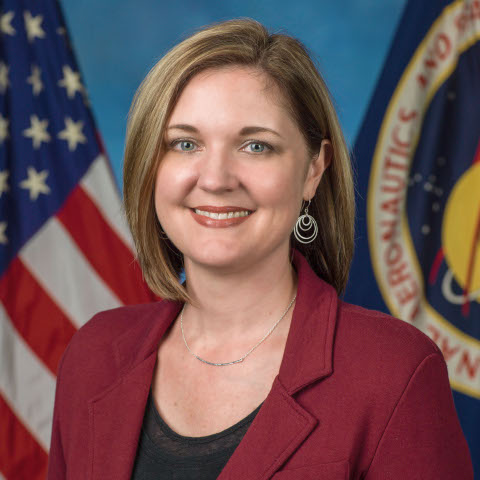
Kimberly A. Hambuchen, Ph.D.
Deputy Chief, Software, Robotics and Simulation Division
Robotics Engineer
NASA Johnson Space Center
2024 O’Donnell Award in Technology Innovation
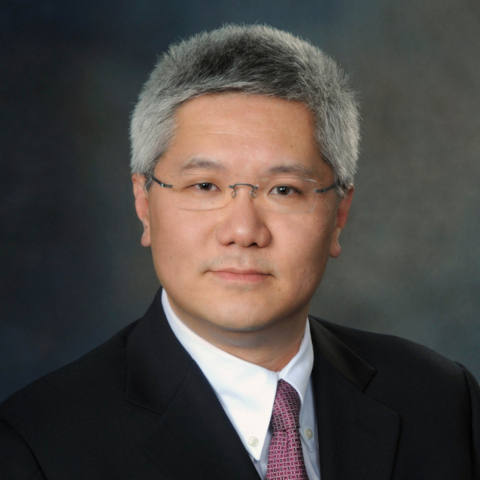
Brendan Lee, M.D., Ph.D. (NAM '13)
Professor and Chair of Molecular and Human Genetics
Robert and Janice McNair Endowed Chair in Molecular and Human Genetics
Baylor College of Medicine
2009 O’Donnell Award in Medicine

Xiaoqin Elaine Li, Ph.D.
Professor, Department of Physics
Director, Texas Quantum Institute
Jack S. Josey – Welch Foundation Chair in Science
The University of Texas at Austin
2018 O’Donnell Award in Physical Sciences
Dr. Li is a Fellow of the American Association for the Advancement of Science, OPTICA, and the American Physical Society, as well as a Kavli Fellow. She has received numerous honors, including and Edith and Peter O’Donnell Award from the Texas Academy of Medicine, Engineering, Science and Technology, the Presidential Early Career Award for Scientists and Engineers, an Alfred P. Sloan Research Fellowship, and a Humboldt Fellowship. She served in the chair line of the Division of Laser Science of the American Physical Society from 2022 to 2025.
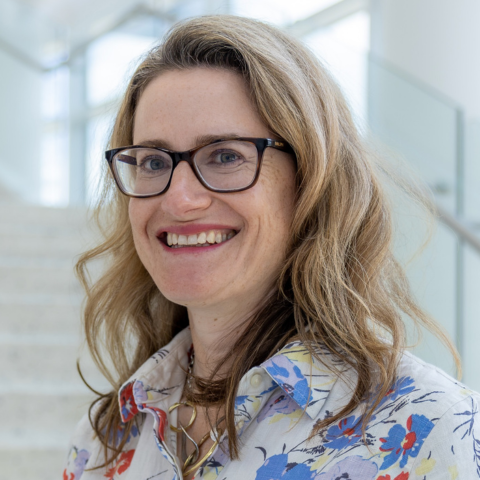
Jodie Lutkenhaus, Ph.D.
Associate Dean for Research, Texas A&M College of Engineering
Professor, Department of Chemical Engineering
Texas A&M University
2022 O’Donnell Award in Engineering
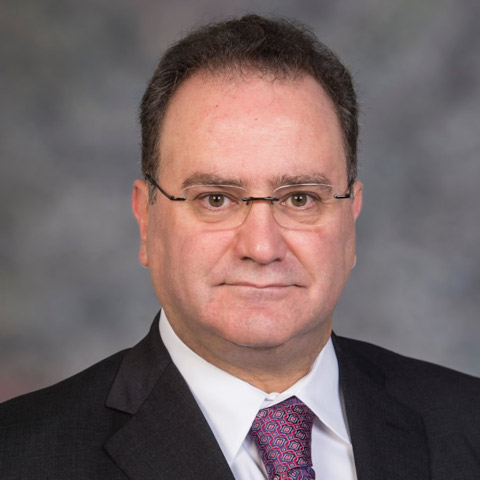
Antonios G. Mikos, Ph.D. (NAM '12, NAE '12)
Louis Calder Professor of Bioengineering, Chemical and Biomolecular Engineering
Professor of Chemistry, and Professor of Materials Science and NanoEngineering
Director of the Biomaterials Lab, Center for Excellence in Tissue Engineering, and J.W. Cox Laboratory for Biomedical Engineering
Rice University
2007 O’Donnell Award in Engineering
Antonios G. Mikos, Ph.D., is the Louis Calder Professor of Bioengineering and Chemical and Biomolecular Engineering at Rice University. His research focuses on the synthesis, processing, and evaluation of new biomaterials for use as scaffolds for tissue engineering, as carriers for controlled drug delivery, as non-viral vectors for gene therapy, and as platforms for disease modeling. His work has led to the development of novel orthopaedic, dental, cardiovascular, neurologic, and ophthalmologic biomaterials. Dr. Mikos is a Member of the National Academy of Engineering, the National Academy of Medicine, the American Academy of Arts and Sciences, the National Academy of Inventors, the Chinese Academy of Engineering, the Academia Europaea, the European Academy of Sciences, the Royal Academy of Pharmacy of Galicia, and the Academy of Athens. He has been recognized by various awards including the Jensen Tissue Engineering Award of the Tissue Engineering and Regenerative Medicine International Society-Global, the Lifetime Achievement Award of the Tissue Engineering and Regenerative Medicine International Society-Americas, the Founders Award of the Society for Biomaterials, the Founders Award of the Controlled Release Society, the Robert A. Pritzker Distinguished Lectureship Award of the Biomedical Engineering Society, the Biomaterials Global Impact Award, and the Acta Biomaterialia Gold Medal. He is a Founding Editor and Editor-in-Chief of the journal Tissue Engineering.
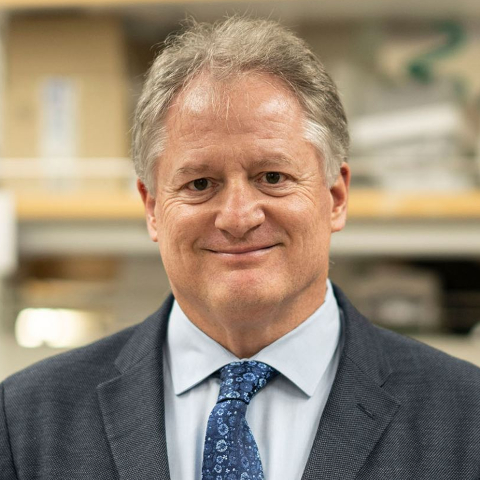
Ted Moise, Ph.D.
Director, North Texas Semiconductor Institute
Research Professor, Department of Materials Science and Engineering
The University of Texas at Dallas
2012 O’Donnell Award in Technology Innovation
Ted Moise, Ph.D., earned a B.S. degree in Physics and Engineering from Trinity College, Hartford, Connecticut, in 1987. In 1992, he earned a Ph.D. degree in electrical engineering from Yale University and was awarded the Harding Bliss Prize for excellence in Engineering and Applied Science. Dr. Moise joined Texas Instruments (TI) in 1992 where he was responsible for the development of high-performance quantum-effect devices and circuits and served as program manager for several DARPA-sponsored projects. In 1997, Dr. Moise started work on the development of scaled ferroelectric capacitors leading to the first demonstration of low-voltage, high-density, embedded ferroelectric random-access memory. Since achieving FRAM production on the 130nm node in 2007, TI and its partners have designed and sold FRAM-based products with applications ranging from implantable medical devices to ultra-low-power micro-controllers and automotive data recorders. From 2007-2018, Dr. Moise led technology development teams focusing on non-volatile memory, high-performance analog CMOS, high-performance/low-noise BiCMOS, and sensor technology. From 2018 to 2021, Dr. Moise managed TI’s advanced electrical failure analysis and physical failure analysis laboratories. After retiring from Texas Instruments in 2021, Dr. Moise joined The University of Texas at Dallas as a Research Scientist. Dr. Moise also serves as the director of the North Texas Semiconductor Institute.
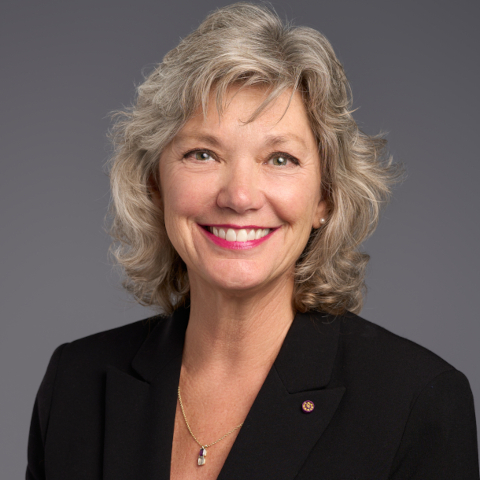
Kim Orth, Ph.D. (NAS '20)
W.W. Caruth Jr. Scholar in Biomedical Research and Earl A. Forsythe Chair in Biomedical Science
UT Southwestern Medical Center
Investigator, Howard Hughes Medical Institute
2011 O’Donnell Award in Biological Sciences
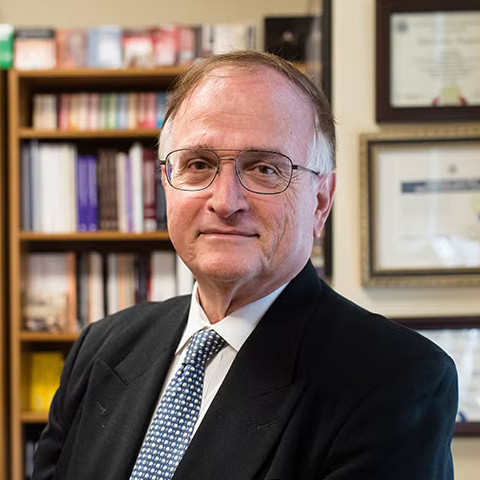
Nicholas A Peppas, Sc.D. (NAM ’08, NAE ’06)
Cockrell Family Regents Chair in Engineering #6
Director, Institute of Biomaterials, Drug Delivery and Regenerative Medicine
Professor, McKetta Department of Chemical Engineering
Departments of Biomedical Engineering and Pediatrics
Department of Surgery and Perioperative Care, Dell Medical School
Division of Molecular Pharmaceutics and Drug Delivery, College of Pharmacy
The University of Texas at Austin
Nicholas A. Peppas, Sc.D., is a Professor in Biomedical Engineering, Chemical Engineering, Pediatrics, Surgery and Pharmaceutics at The University of Texas at Austin. His group has pioneered research in biomaterials, drug delivery and bionanotechnology which blends modern molecular and cellular biology with engineering principles to design next-generation medicines and devices. He has 2,350 publications, with 249,000 citations (H=227). He has been awarded the NAE Founders (Ramo) Award, NAM Adam Yarmolinsky Award, the Kabiller Nanotechnology Award, the Biomaterials Global Impact Award, the AAPS Global Leader of Pharmaceutical Sciences Award and the Acta Biomaterialia Gold Medal. Dr. Peppas is a member of the National Academy of Engineering (NAE), the National Academy of Medicine (NAM), American Academy of Arts and Sciences, Academia Europaea, European Academy of Sciences and Academies in China, Korea, India, Mexico, Canada, France, Greece and Romania. He is the Editor-in-Chief of Regenerative Biomaterials (Oxford). He holds a Dipl. Eng. from NTU of Athens (1971), a Sc.D. from MIT (1973) and fourteen honorary doctorates and professorships. He is a 2022 recipient of the Ellis Island Gold Medal.
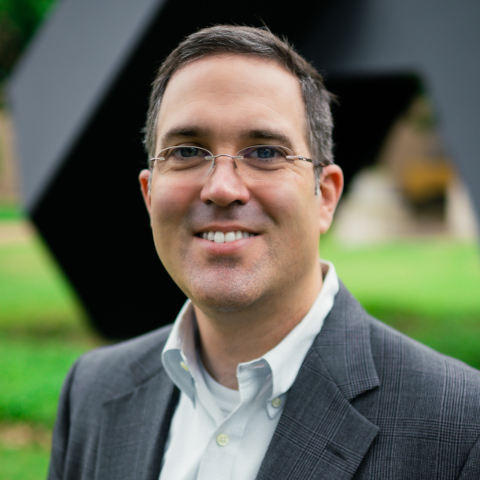
Jeffrey Rimer, Ph.D.
Abraham E. Dukler Endowed Professor and Director of Graduate Studies
Department of Chemical and Biomolecular Engineering
University of Houston
2020 O’Donnell Award in Engineering
Jeffrey Rimer, Ph.D., is the Abraham E. Dukler Endowed Chair and Professor of Chemical Engineering at the University of Houston. Dr. Rimer received B.S. degrees in Chemical Engineering and Chemistry from Washington University in St. Louis and Allegheny College, respectively. He received his Ph.D. in Chemical Engineering from the University of Delaware and spent two years as a postdoctoral fellow at New York University prior to joining the University of Houston in 2009. Dr. Rimer’s research in the area of crystal engineering focuses on the rational design of materials with specific applications in the synthesis of microporous catalysts and adsorbents, and the development of therapeutics to inhibit crystal formation in pathological diseases. Dr. Rimer is a Fellow of AIChE and a Senior Member of the National Academy of Inventors. He has received numerous awards that include the NSF CAREER Award, the 2016 Owens Corning Early Career Award and 2017 FRI/John G. Kunesh Award from AIChE, and the inaugural 2016 Mellichamp Emerging Leader Lecturer at the University of California at Santa Barbara. In 2018, he received the Norman Hackerman Award in Chemical Research from The Welch Foundation, and in 2020 the Edith and Peter O’Donnell Award in Engineering from TAMEST. He has received Catalysis Awards from the Southwest Catalysis Society (SWCS) and the Philadelphia Catalysis Club. Dr. Rimer has also received several research, teaching, and mentoring awards at both the University and College levels. He is a former chair of the SWCS, an executive committee member for the International Zeolite Association, and has chaired two Gordon Research Conferences on Crystal Growth and Assembly and Nanoporous Materials and Their Applications. He currently serves as the Director of Graduate Studies and as the Program Director for the Welch Center for Advanced Bioactive Materials Crystallization. Dr. Rimer is also an Associate Editor of Crystal Growth & Design and serves on the advisory boards for the AIChE Journal, Molecular Systems Design & Engineering, Reaction Chemistry & Engineering, and Green Carbon.
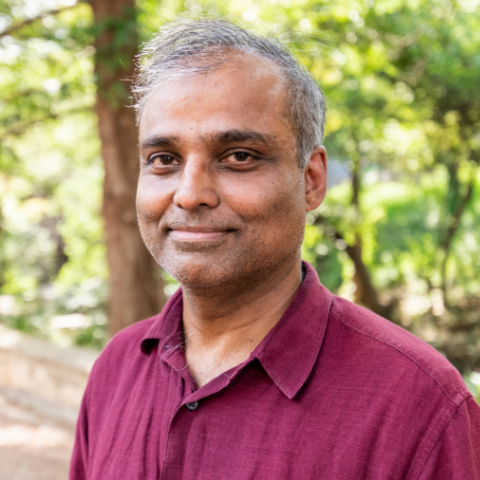
S.V. Sreenivasan, Ph.D. (NAE ’21)
Professor, Walker Department of Mechanical Engineering
Cockrell Family Regents Chair in Engineering #7
Director, NASCENT
Founder and CTO, Texas Institute for Electronics
The University of Texas at Austin
2010 O’Donnell Award in Technology Innovation
S.V. Sreenivasan, Ph.D., is the Cockrell Family Regents Endowed Chair #7 in Engineering at The University of Texas at Austin. He is a nanotechnologist with an interest in creating high throughput nanofabrication techniques for applications in emerging electronics, displays, and healthcare sectors. He has published over 130 technical articles and holds over 100 U.S. patents in the area of scalable nanotechnologies. Dr. Sreenivasan is the director of the NASCENT Center, a National Science Foundation funded Nanosystems Engineering Research Center. NASCENT Center is an interdisciplinary research effort in the area of high throughput nanomanufacturing systems.
Dr. Sreenivasan co-founded Molecular Imprints Inc. (MII), a nanopatterning spin out from UT-Austin. He currently serves as the Chief Technologist of Canon Nanotechnologies, Inc., a company formed as a result of the acquisition of the semiconductor business of MII by Canon Corporation in 2014. Additionally, the display division of MII was acquired in 2015 by Magic Leap, Inc., a leader in augmented/mixed reality displays.
Dr. Sreenivasan has received several awards for his work including Technology Pioneer Award by the World Economic Forum (2005), University of Texas Chancellors’ Award for Entrepreneurship (2007), The ASME Leonardo da Vinci Award (2009), The TAMEST O’Donnell Award for Technology Innovation (2010), the ASME William T. Ennor Manufacturing Technology Award (2011), the UT-Austin Inventor of the Year Award (2012), Distinguished Alumni Award by the National Institute of Technology at Trichy in India (2014), Distinguished Alumni Award by the College of Engineering at The Ohio State University (2016), and the ASME Machine Design Award (2017). Dr. Sreenivasan was named Fellow of the National Academy of Inventors in 2016, Fellow of ASME in 2020, and was elected as a Member of the National Academy of Engineering in 2021.
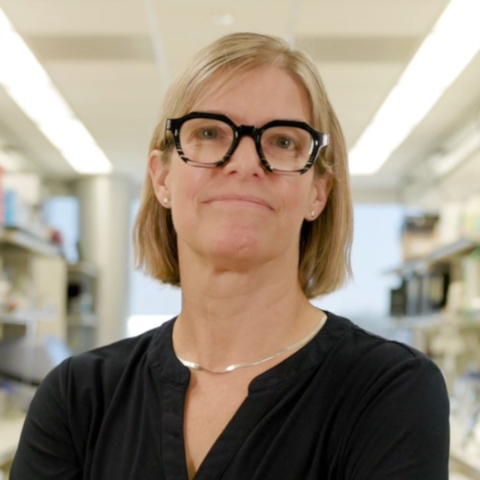
Jennifer Wargo, M.D. (NAM ’23)
R. Lee Clark Endowed Professor, Departments of Surgical Oncology and Genomic Medicine
Founder and Leader, Platform for Innovative Microbiome and Translational Research
The University of Texas MD Anderson Cancer Center
2023 Edith and Peter O’Donnell Award in Medicine
Jennifer Wargo, M.D., is an internationally recognized physician-scientist whose career has been dedicated to advancing the understanding and treatment of cancer through innovative translational research. With a profound commitment to bridging science and patient care, Dr. Wargo’s work has fundamentally reshaped approaches to cancer therapy, setting new paradigms in the fields of immunotherapy, targeted therapy, and microbiome research.
Dr. Wargo earned her medical degree and completed surgical residency training at Massachusetts General Hospital (MGH), where she developed a keen interest in cancer biology and therapy. During her training, she completed two fellowships in surgical oncology with a focus on cancer immunotherapy, laying the foundation for her impactful career. In 2008, she was recruited to join the faculty in the Division of Surgical Oncology at MGH, where she established a translational research laboratory aimed at understanding response and resistance to treatment in melanoma, pancreatic cancer, and other malignancies. Her pioneering work during this time demonstrated that molecularly targeted therapy could sensitize tumor cells to immunotherapy, providing a scientific rationale for combining these treatment modalities—a strategy now being evaluated in clinical trials with promising outcomes.
In 2013, Dr. Wargo was recruited to The University of Texas MD Anderson Cancer Center to help lead the institution’s Melanoma Moonshot efforts. Today, she serves as a Professor of Surgical Oncology and Genomic Medicine and leads the Platform for Innovative Microbiome and Translational Research (PRIME-TR). Her groundbreaking research continues to focus on enhancing cancer therapies through targeted therapy, immunotherapy, and modulation of the gut and tumor microbiome. Recognized globally for her discoveries, Dr. Wargo has made paradigm- and practice-changing contributions to understanding how the microbiome influences cancer treatment responses. Her team’s work has shown that diet, particularly a high-fiber intake, and strategies modulating gut microbes can improve patient outcomes—insights that have spurred new clinical trials and opened an entirely new field of research.