
The Hill Prizes
2027 Hill Prizes
Applications for the 2027 Hill Prizes closed June 1, 2026, 6:00 p.m. Central Time. Applicants will be notified in early December 2026.
For questions, please contact TAMEST Program Director Stephanie Shaw at (512) 471-3823 or stephanie.shaw@austin.utexas.edu.
The Hill Prizes, funded by Lyda Hill Philanthropies, recognize and advance top Texas innovators whose high-risk, high‑reward ideas have potential for significant real‑world impact. The prizes aim to elevate exceptional researchers, accelerate paradigm‑shifting science and position Texas as a premier destination for world‑class innovation. By providing funding that helps bridge the gap between early‑stage research and business development, the Hill Prizes strengthen recipients’ ability to pursue large‑scale grants, build collaborations and bring transformative discoveries closer to practical application.
The Hill Prizes have seven categories: artificial intelligence; biological sciences; commercialization, innovation and technology; engineering; medicine; physical sciences; and public health. The Hill Prize in Artificial Intelligence (AI) will be given to researchers and teams at academic and medical institutions, in government, entrepreneurs and companies (including university and government spinout companies). The biological sciences, engineering, medicine, physical sciences and public health prizes will be given to researchers and teams at academic and medical institutions. The Hill Prize in Commercialization, Innovation and Technology — open to both individuals and teams — will be given to entrepreneurs and companies in applied sciences, biotechnology, engineering, life sciences and medicine.
Lyda Hill Philanthropies has committed over $10 million in funding to continue the prize program and include at least $1 million in discretionary research funding allocated by Lyda Hill Philanthropies on an ad hoc basis to highly ranked applicants and finalists not selected as recipients.
Each prize recipient’s institution or organization will receive $500,000 in direct, research funding from Lyda Hill Philanthropies to accelerate their work. Prize recipients will be announced in January 2027 and recognized on February 1, 2027, at the opening reception of the TAMEST 2027 Annual Conference in Houston, Texas.
The goal of the prizes is to recognize exceptional innovators and provide seed funding to advance innovative science and highlight Texas as a premier destination for world-class research. The prizes will bridge the path from research to business development and further innovations that need additional funding to have a greater impact. The Hill Prizes will also put recipients in a stronger position to receive more research funding and seek large-scale grants and collaborations.
Hill Prizes Overview
Click on a category below to learn more about the Hill Prizes.
Who May Apply?
Eligibility Requirements
Open to all Texas‑based applicants (including TAMEST members), 15 years or more after their first full-time independent faculty, government or professional position (2011 or earlier).
- Artificial Intelligence: Open to individuals and teams at academic or medical institutions and companies (including university or government spinouts).
- Biological Sciences, Engineering, Medicine, Physical Sciences and Public Health: Open to all research universities, medical centers, nonprofit research institutes and other scientific organizations in Texas.
- Commercialization, Innovation and Technology: Open to entrepreneurs and companies in applied sciences, biotechnology, engineering, life sciences and medicine (including university and government spinouts).
Applicants must have spent the past two years (at time of submission) performing research in Texas and remain active in the state for at least one year after receiving the prize funding.
Application Categories
Applicants may submit only one proposal per category, and may not submit the same proposal in more than one category. The committee reserves the right to reassign a proposal to a different category if deemed appropriate.
Subcategories may include, but are not limited to, the following:
Artificial Intelligence: Designated for proposals that make substantive, novel, impactful advancements in AI capabilities to address an important challenge. Topics may include:
- Advanced Platform Development for AI
- AI Hardware/Infrastructure Development
- Innovative Training Methods
- Pioneering Applications of AI
- Theoretical Developments and Algorithms (including significant advances in Generative AI, Agentic AI, Artificial General Intelligence, Machine Learning and Optimization)
Biological Sciences:
- Animal Biology
- Ecology and Environmental Science
- Entomology
- Infectious Diseases and Immunology
- Microbiology
- Plant Biology
Commercialization, Innovation and Technology: Designated for proposals from Texas-based entrepreneurs and companies in applied sciences, biotechnology, engineering, life sciences and medicine (including university and government spinout companies). For information, please refer to the separate application guide.
Engineering:
- Aerospace Engineering
- Biomedical Engineering
- Chemical Engineering
- Civil, Architectural and Environmental Engineering
- Electrical and Computer Engineering
- Electronics, Communications, Information Systems and Control Systems
- Industrial and Manufacturing Engineering
- Materials Engineering
- Mechanical Engineering
Medicine:
- Autoimmune Disorders
- Cardiopulmonary Diseases
- Clinical Pharmacology
- Gastrointestinal Diseases
- Maternal and Children’s Health
- Musculoskeletal Disorders
- Neuropsychiatric Disorders
- Oncology
- Pathology
- Psychiatry
Physical Sciences:
- Astronomy
- Chemistry
- Computer Science
- Earth Sciences
- Mathematics
- Physics
- Solar and Space Physics
Public Health: Designated for proposals focused on protecting the health of entire populations through science, technology and policy:
- Behavioral Health
- Biostatistics
- Clinical Cancer Prevention
- Community Health
- Disease Control and Prevention
- Epidemiology
- Environmental and Occupational Health
- Health Disparities
- Health Policy and Management
- Health Promotion and Education
- Mental Health
- Nutrition and Food Safety
- Psychology
Selection Criteria and Process
A committee of Texas-based members of the National Academies evaluates applications and recommends recipients, in consultation with a panel of National Academies members from outside of Texas. A committee of Texas Nobel and Breakthrough Prize Laureates reviews and endorses the finalists, and the TAMEST Board of Directors provides final approval. Prizes are only given when the committee identifies and selects deserving proposals.
Submissions will be judged on the following criteria:
- Uniqueness of idea behind the research;
- Potential for commercial application and/or real-world impact;
- Strengths of research group leader and/or team;
- Ability and availability of key personnel and infrastructure to execute the work and achieve success with the prize funding to be awarded.
Required Application Materials
1.) Cover page (not to exceed one page and must use template), including:
- Selected prize category, and a brief statement on why the proposal fits the selected category;
- Proposal title;
- Summary statement (≤50 words) describing:
- Summary of the project and why it should be chosen for the Hill Prizes;
- Potential impact of the project.
- Abstract (≤ 250 words) of proposal addressing the following:
- What problem are you trying to solve, and how is it addressed today (if at all)?
- What is novel about your approach?
- If successful, what will be the impact?
- For the Artificial Intelligence (AI) Category: What is your substantive, novel advancement(s) in the development of technologies that support AI and/or AI capabilities to address an important challenge?
- Applicant information:
- Principal Investigator’s name, title and organization;
- Principal Investigator’s address, email and telephone contact information;
- Principal Investigator’s year of first full-time appointment (must be 2011 or earlier);
- Names of Co-Recipient(s) and team members.
2.) Project proposal (up to five pages) defining:
- The problem being addressed, the key gap the proposed work will fill and the
limitations of current approaches that make the applicant’s solution necessary
and distinctively novel; - The potential impact of the work, supported by relevant metrics when
available, including any potential commercial or translational applications and
the overall path to impact; - How the recipient would use the Hill Prizes funding to accelerate their work
and make a significant impact on society.- Applicants should clearly disclose any existing or potential funding for their
proposal – or any closely related idea – and explain how the Hill Prizes
funding would be used to bridge a gap or enable meaningful advances for
their idea in addition to their existing or potential funding. - Detailed budgets are not required. However, applicants should list how
funding would be used (e.g., for equipment, personnel or other major
expenses), including approximate amounts for each major category.
- Applicants should clearly disclose any existing or potential funding for their
3.) Biographical summary for the Principal Investigator (NIH/NSF Biosketch accepted, up to three pages), including:
- Education, employment history, honors, recognitions and awards;
- Summary of research interests and activities, including (as applicable) significant grant support or major projects and the PI’s role;
- Citations for up to 10 key publications;
- Synopsis of major discoveries and research contributions;
- Summary statistics on publications, books, patents (if applicable) and reports.
For team members, a brief biographical summary (up to one page) may be included for each team member.
Deadline for Submission of Application Materials
Prize Funding and Recipient Requirements
Funding
- Each recipient’s institution or organization will receive $500,000 in direct, non- dilutive funding from Lyda Hill Philanthropies. Funds must adhere to the institution’s spending policies and may not be used for institutional overhead or indirect costs. Funds are expected to be expended in a timely manner to advance the proposed work.
- Proposals should span at least one year with an expected start date in March 2027.
- Applicants retain all intellectual property rights associated with their work.
Ceremony
- Principal Investigators are required to attend the prize ceremony on February 1, 2027, at the TAMEST Annual Conference in Houston, Texas. Travel and lodging will be provided for Principal Investigators to attend.
Reporting
- Recipients must submit reporting to Lyda Hill Philanthropies annually per the terms of the grant agreement.
- TAMEST and Lyda Hill Philanthropies may publicly share information contained in these reports to demonstrate the impact of the prize and support the broader Texas research community.
Contact TAMEST
For questions, please contact TAMEST Program Director Stephanie Shaw at (512) 471-3823 or stephanie.shaw@austin.utexas.edu.
2026 Hill Prizes Recipients
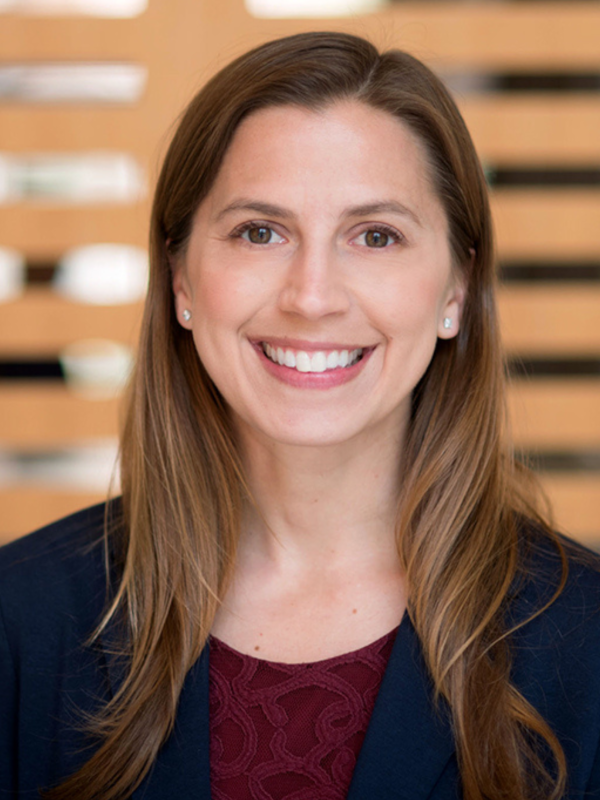
2026 Hill Prize in Artificial Intelligence
Kristen Grauman, Ph.D.
Professor
Department of Computer Science
The University of Texas at Austin
For pioneering research on video understanding models that help people acquire physical and procedural skills.
Read the summary statement and abstract from their winning proposal.
Co-PIs: Georgios Pavlakos, Ph.D., Assistant Professor, Department of Computer Science, The University of Texas at Austin; Amy Pavel, Ph.D., Assistant Professor, University of California, Berkeley; Hao-Yuan Hsiao, Ph.D., Associate Professor, Kinesiology & Health Education, The University of Texas at Austin; Travis Vlantes, Director, Applied Sports Science, The University of Texas at Austin

2026 Hill Prize in Biological Sciences
Susan M. Rosenberg, Ph.D.
Ben F. Love Chair in Cancer Research and Professor of Molecular & Human Genetics,
Biochemistry & Molecular Pharmacology, and Molecular Virology & Microbiology
Dan L Duncan Comprehensive Cancer Center
Baylor College of Medicine
For her groundbreaking strategy to combat antibiotic resistance by targeting the evolutionary process itself.
Read the summary statement and abstract from their winning proposal.
Co-PI: Christophe Herman, Ph.D., Professor, Baylor College of Medicine
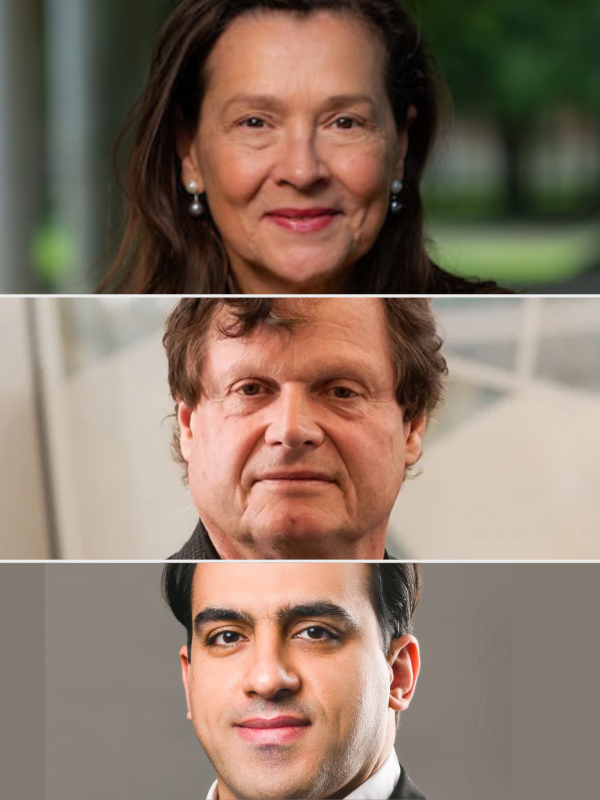
2026 Hill Prize in Engineering
Naomi J. Halas, Ph.D., D.Sc. (NAE, NAS)
University Professor and Stanley C. Moore Professor of Electrical and Computer Engineering
Rice University
Co-Recipients Peter J. A. Nordlander, Ph.D., Rice University, and Hossein Robatjazi, Ph.D., Syzygy Plasmonics Inc. and Rice University
To advance light-driven technologies for sustainable ammonia synthesis.
Read the summary statement and abstract from their winning proposal.
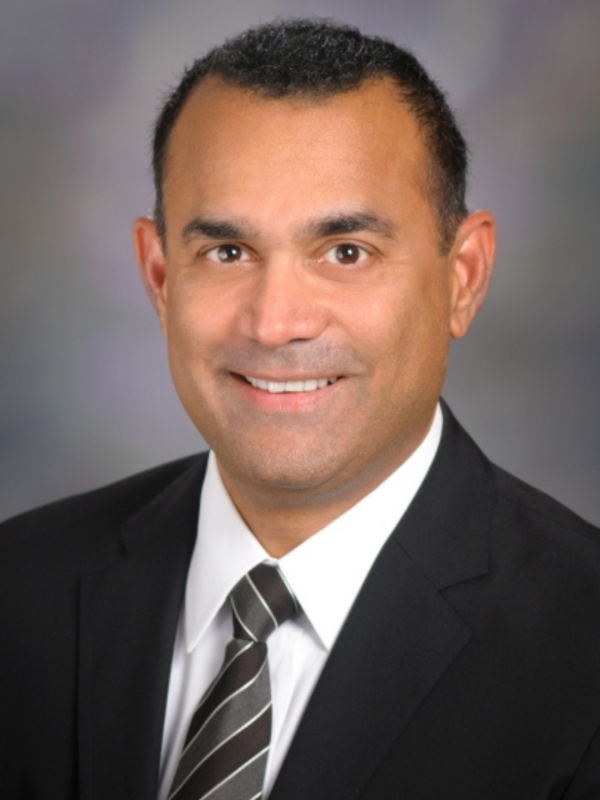
2026 Hill Prize in Medicine
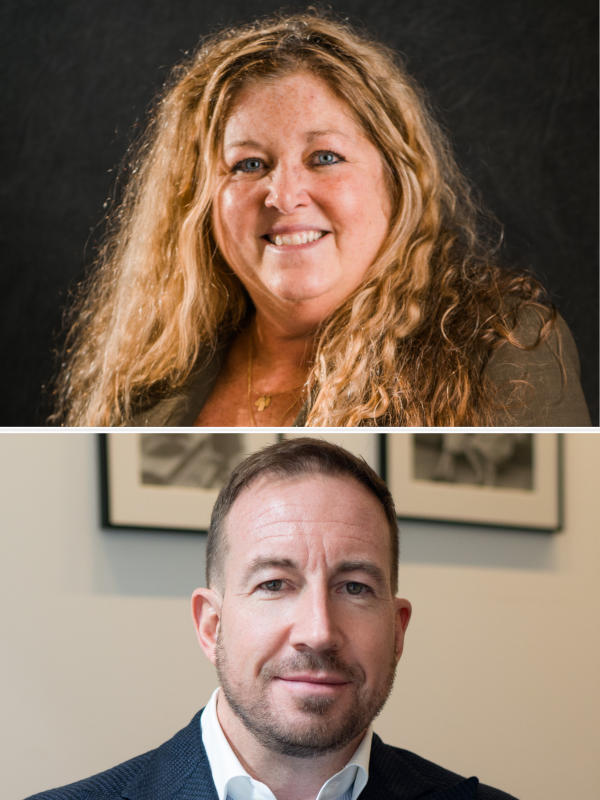
Raghu Kalluri, M.D., Ph.D.
Chair, Department of Cancer Biology
The University of Texas MD Anderson Cancer Center
For developing eye drops to treat age-related macular degeneration (AMD) and other posterior eye diseases.
2026 Hill Prize in Physical Sciences
Karen L. Wooley, Ph.D. (NAE, NAS)
W.T. Doherty-Welch Chair and Distinguished Professor of Chemistry
Texas A&M University
Co-Recipient: Matthew Stone, Managing Director, Teysha Technologies
For innovative research that transforms agricultural waste into safe, degradable plastics and chemicals.
Read the summary statement and abstract from their winning proposal.
Co-PIs and Team Members: Senthil K. Boopathi, Associate Research Scientist, Department of Chemistry, Texas A&M University; Ashlee A. Jahnke, Ph.D., Research Scientist, Department of Chemistry, Texas A&M University; Co-Founder, Sugar Plastics, Director of R&D, Teysha Technologies

2026 Hill Prize in Public Health
Elizabeth C. Matsui, M.D.
Professor of Pediatrics and the Director of Environmental Health in the Center for Human Immunology, Baylor College of Medicine
Professor of Population Health and Pediatrics, Dell Medical School
Director, Center for Health and Environment: Education and Research, The University of Texas at Austin
For identifying climate change-related environmental exposures – specifically extreme heat and air pollution – as key contributors to adverse maternal and birth outcomes and associated disparities.
Read the summary statement and abstract from their winning proposal.
Co-PIs and Team Members: Alison Cahill, M.D., Professor of Women’s Health, The University of Texas at Austin; Sarah Chambliss, Ph.D., Instructor, The University of Texas at Austin; Catherine Cubbin, Ph.D., Professor, School of Social Work, The University of Texas at Austin; Roger D. Peng, Ph.D., Professor of Statistics and Data Science, The University of Texas at Austin; Geeta Persad, Ph.D., Assistant Professor of Climate Science, The University of Texas at Austin

2026 Hill Prize in Technology
Kurt W. Swogger
Chief Executive Officer and Co-Founder
Molecular Rebar Design, LLC
Co-Recipients Clive Bosnyak, Ph.D., Molecular Rebar Design, LLC and August Krupp, Molecular Rebar Design, LLC
For addressing critical environmental and safety concerns related to tire performance and chemical toxicity.
Read the summary statement and abstract from their winning proposal.
Meet Our Committee

David E. Daniel, Ph.D. (NAE)
Hill Prizes Committee Chair
President Emeritus, The University of Texas at Dallas
Past President, TAMEST
Artificial Intelligence
- Subcommittee Chair: Lydia E. Kavraki, Ph.D. (NAM, NAE, NAS), Rice University
- Pallab K. Chatterjee, Ph.D. (NAE), 3Lines Venture Capital
- Mark Papermaster (NAE), AMD
- Karen E. Willcox, Ph.D. (NAE), The University of Texas at Austin
Biological Sciences
- Subcommittee Chair: Richard A. Dixon D. Phil, D.Sc. (NAS, FRS), University of North Texas
- Guillermina “Gigi” Lozano, Ph.D. (NAM, NAS), The University of Texas MD Anderson Cancer Center
- Margaret Phillips, Ph.D. (NAS), UT Southwestern Medical Center
- Huda Y. Zoghbi, M.D. (NAM, NAS), Baylor College of Medicine
Commercialization, Innovation and Technology
- Subcommittee Chair: Lynda Chin, M.D. (NAM), Apricity Health
- Amos A. Avidan, Ph.D. (NAE), Bechtel Corporation
- Dale Klein, Ph.D. (NAE), The University of Texas at Austin
- Mary Pat Moyer, Ph.D. (NAE), INCELL Corporation LLC
Engineering
- Subcommittee Chair: Joan Frances Brennecke, Ph.D. (NAE)*, The University of Texas at Austin
- James J. Coleman, Ph.D. (NAE), The University of Texas at Arlington
- Kaushik Rajashekara, Ph.D. (NAE), University of Houston
- Jerome Schultz, Ph.D. (NAE), University of Houston
Medicine
- Subcommittee Chair: Martin M. Matzuk, M.D., Ph.D. (NAS)*, Baylor College of Medicine
- Florence P. Haseltine, M.D., Ph.D. (NAM), The University of Texas at Arlington
- Bettie Sue Masters, Ph.D., D.Sc. (NAM), The University of Texas at San Antonio and Duke University Medical Center
- Catherine Y. Spong, M.D. (NAM), Committee Vice Chair, UT Southwestern Medical Center
Physical Sciences
- Subcommittee Chair: Peter G. Wolynes, Ph.D. (NAS), Rice University
- Paul C.W. Chu, Ph.D. (NAS), University of Houston
- Marcetta Y. Darensbourg, Ph.D. (NAS), Texas A&M University
- William H. Press, Ph.D. (NAS), The University of Texas at Austin
Public Health
- Subcommittee Chair: William M. Sage, M.D., J.D. (NAM), Texas A&M Health and Texas A&M University
- Ellen R. Gritz, Ph.D. (NAM), The University of Texas MD Anderson Cancer Center
- Carlos Roberto Jaén, M.D., Ph.D. (NAM), The University of Texas at San Antonio
- Charles B. Nemeroff, M.D., Ph.D. (NAM), The University of Texas at Austin Dell Medical School
*Past Recipient of a Hill Prize
Nobel and Breakthrough Prize Laureates Committee
Chair, Department of Immunology and Executive Director, Immunotherapy Platform
Deputy Director, David H. Koch Center for Applied Research of Genitourinary Cancers
The University of Texas MD Anderson Cancer Center
Nobel Prize in Physiology or Medicine, 2018
Bruce A. Beutler, M.D. (NAM, NAS)
Regental Professor
Director of the Center for Genetics of Host Defense
UT Southwestern Medical Center
Nobel Prize in Physiology or Medicine, 2011
Zhijian “James” Chen, Ph.D. (NAM, NAS, FRS)
Howard Hughes Medical Institute
George L. MacGregor Distinguished Chair in Biomedical Science
Professor, Department of Molecular Biology
UT Southwestern Medical Center
Breakthrough Prize in Life Sciences, 2019
Regental Professor Virginia and Edward Linthicum Distinguished Chair in Biomolecular Science
UT Southwestern Medical Center
Nobel Prize in Chemistry, 1988
Helen H. Hobbs, M.D. (NAM, NAS)
Director, Eugene McDermott Center for Growth and Development; Professor of Internal Medicine and Molecular Genetics
Howard Hughes Investigator
UT Southwestern Medical Center
Breakthrough Prize in Life Sciences, 2015
Huda Y. Zoghbi, M.D. (NAM, NAS)
Distinguished Service Professor, Department of Molecular and Human Genetics
Director, Jan and Dan Duncan Neurological Research Institute
Investigator, Howard Hughes Medical Institute
Baylor College of Medicine
Breakthrough Prize in Life Sciences, 2017
Funders

About Lyda Hill Philanthropies
Lyda Hill Philanthropies encompasses the charitable giving for founder Lyda Hill and includes her foundation and personal philanthropy. Her organization is committed to funding transformational advances in science and nature, empowering nonprofit organizations and improving the Texas and Colorado communities. Because Miss Hill has a fervent belief that “science is the answer” to many of life’s most challenging issues, she has chosen to donate the entirety of her estate to philanthropy and scientific research. For more details, visit lydahillphilanthropies.org.