
TAMEST 2026 Annual Conference Medicine Co-Chair David Gimeno Ruiz de Porras, Ph.D., UT San Antonio
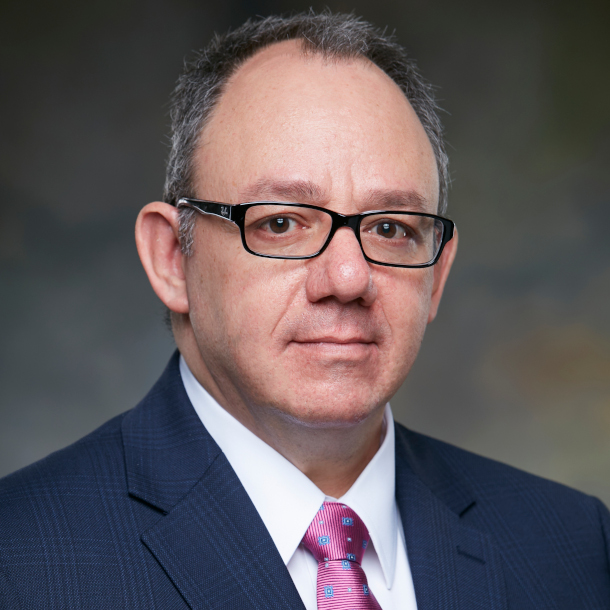
Dr. David Gimeno Ruiz de Porras is a tenured professor and the founding chair of the Department of Environmental and Occupational Health at the UT San Antonio School of Public Health. An environmental and social epidemiologist by training, Dr. Gimeno’s research explores how workplace and environmental conditions shape long-term health outcomes – especially in high-need and resource-limited communities’ populations.
With academic roots in Barcelona and previous faculty roles at University College London and UTHealth Houston, Dr. Gimeno has led numerous initiatives aimed at addressing health disparities in occupational settings. His current work focuses on environmental exposures such as air pollution and extreme heat, and how these intersect with psychosocial and behavioral factors to impact community health.
At UT San Antonio, Dr. Gimeno is building an Environmental and Occupational Health department grounded in community-engaged research, inclusive education and translational science. He leads programs such as the Community Action Research for Air Equity (CARE) initiative and is currently serving as the Medicine Co-Chair for the TAMEST 2026 Annual Conference: Pioneering Climate Innovations, which will explore real-world, scalable climate solutions and collaborative problem-solving for sustainability in medicine, engineering, science and technology.
Driven by a belief that science and community partnerships can transform public health, Dr. Gimeno connected with TAMEST to talk about the TAMEST 2026 Annual Conference and to explain how his work exemplifies the power of collaboration in strengthening environmental resilience and enhancing workforce health development across Texas and beyond.
Tell us a little about yourself and your work.
I am a public health researcher and educator with a longstanding commitment to understanding how work and environmental conditions shape health outcomes. My academic journey began in Barcelona, where I earned degrees in psychology, occupational hazards prevention and public health, laying the foundation for a career focused on the intersection of science and population well-being.
That path later led me to University College London Medical School, where I deepened my expertise in psychosocial work factors and their influence on health through my role with the Whitehall II Study. Then, before joining UT San Antonio, I was on faculty for nearly 20 years at UTHealth Houston School of Public Health, where later I served as Director of the Southwest Center for Occupational and Environmental Health, one of the nation’s original NIOSH-funded Education and Research Centers.
Today, I serve as the Founding Chair of the Department of Environmental and Occupational Health at the UT San Antonio School of Public Health, where I continue my commitment to a higher purpose: that through collaborative research, inclusive education and deep community engagement, we can work to build healthier and more resilient communities across Texas and beyond.
Your research focuses on occupational and public health – can you share how your work is helping to address health disparities in the workforce today?
My research has long focused on understanding and addressing the structural and environmental factors that contribute to health gaps in the population as a whole and in the workforce, especially among those in resource-limited or high-risk occupations.
Whether it is outdoor workers exposed to extreme heat, communities impacted by poor air quality, or populations facing psychosocial stressors in precarious employment, my work aims to uncover the root causes and develop practical, evidence-based interventions. All these efforts not only generate valuable research data, but the goal is to bring communities together and provide them with knowledge and tools to advocate for healthier environments.
Together, we can design training programs, conduct translational research and shape policy conversations that address health challenges in our communities.
How do social and workplace environments contribute to long-term health outcomes, and what policies or interventions have you found most effective in your research?
Social and workplace environments are extremely powerful determinants of both short- and long-term health outcomes. This includes exposure to work and non-work-related hazards and also factors such as job security, degree of autonomy and social support influence day-to-day well-being. Importantly, these exposures and stressors accumulate over time and across places, both at work and home, influencing risks for morbidity and mortality. In my research, I’ve focused on how these factors shape health risks.
Effective solutions are never a one-size-fits-all. Climate-related risks are time- and location-dependent, and communities, whether the general population or a specific group of workers, are different in their needs, resources and capabilities. For solutions to be applicable and efficient, they must be accepted by the target populations they aim to serve. Thus, community partnerships are key in determining what works for a given problem and context.
For instance, my academic department is leading an initiative in San Antonio that integrates real-time air quality monitoring with public health outreach. By combining environmental data with education and advocacy, we aim to collaborate with residents and community organizations to take action and inform policy. These kinds of interventions, grounded in science and shaped by community voices, are among the most effective tools we have for building healthier communities and workplaces.
What role do academic institutions like UT San Antonio play in bridging research and real-world health solutions, particularly in resource-constrained communities?
Academic institutions play a vital role in translating research into actionable, real-world health solutions. In particular, the emergence of the School of Public Health within the newly unified UT San Antonio, marks a transformative milestone for higher education and scientific inquiry for public health in Texas. Our mission is rooted in serving South Texas, partnering with local organizations, training future public health leaders, and conducting community-engaged research to help translate science into action, particularly for resource-limited communities.
Our initiatives in environmental health and occupational health are grounded in the lived experiences of local populations, from outdoor workers facing extreme heat to neighborhoods impacted by air pollution. We work directly with these communities to share knowledge and co-develop interventions that are both evidence-based and contextually appropriate.
Moreover, institutions like the School of Public Health help train the next generation of public health professionals with a strong foundation in local needs. By embedding faculty and students in real-world settings and fostering partnerships with local communities and organizations, we want to ensure that our students are not only skilled scientists but also compassionate, community-driven problem-solvers. In this way, we act as a bridge, connecting academic insights with community wisdom and resources to advance health in our region.
As the Medicine Co-Chair of the TAMEST 2026 Annual Conference: Pioneering Climate Innovations, what related medical themes or goals are you hoping to emphasize?
As Medicine Co-Chair for the TAMEST 2026 Annual Conference, I’m excited to spotlight the intersection of climate change and human health. We’ll explore how environmental shifts affect disease patterns, occupational exposures and healthcare delivery. We aim to spotlight themes such as climate-resilient health systems, the impact of air quality on respiratory health and the broader concept of planetary health.
Our programming will also delve into how chronic diseases are being exacerbated by climate-driven factors, and how emerging technologies may offer innovative solutions to these challenges. I’m especially excited about our speaker sessions, which will cover topics ranging from global health and vaccine development to the respiratory effects of environmental pollutants and the growing burden of chronic kidney disease among outdoor workers.
These discussions will be grounded in real-world applications, including hydration and shade strategies tailored to Texas’s working populations. Overall, our goal is to foster a forward-looking dialogue that bridges medicine, technology and environmental science to address one of the most pressing issues of our time.
How are you working to make the 2026 conference interdisciplinary, and what kinds of cross-sector dialogue are you hoping to foster?
The TAMEST 2026 Annual Conference is intentionally designed to be an interdisciplinary experience, recognizing that climate innovation demands a holistic collaboration across medicine, engineering, environmental science, policy, industry, etc. Our goal is to break down silos, fostering cross-sector interactions to create a safe space for meaningful dialogue that often do not share the same stage.
By bringing together experts from a wide range of disciplines, we will be fostering conversations that connect clinical insight with technical innovation. The speaker lineup and session formats are designed to spark collaboration between academic researchers, industry leaders, public health officials and philanthropic organizations. Through this interdisciplinary exchange, we aim to generate new ideas, accelerate practical solutions and build a shared understanding of how climate change impacts human health and how we can work together to address it.
What are you most excited about for this conference?
What excites me most about the TAMEST 2026 Annual Conference is the opportunity to connect passionate minds across disciplines and catalyze new, forward-thinking conversations. The positive energy that emerges when multiple perspectives come together is truly electric.
TAMEST 2026 isn’t just about having a multitude of experts in the same room; it is a space where disciplines converge, where ideas can spark across boundaries and where real-world solutions begin to take shape. It is that spirit of collaboration, curiosity and possibility that makes this conference so compelling to me.
What do you hope attendees will gain from the TAMEST 2026 conference in terms of insights into public health, preventive care and the future of medicine?
I hope that attendees of TAMEST 2026 leave with a renewed sense of urgency and clarity about the profound connections between climate and public health, and how preventive care must evolve in response.
TAMEST 2026 wants to lead that transformation. We will showcase innovative approaches to care, from developing new safety protocols for outdoor workers to implementing community-driven health strategies and advancing global initiatives for at-risk populations. The future of medicine needs not only insights but also actionable ideas and partnerships that will help shape a more resilient and forward-looking health system, education and research.
Why do you live and work in Texas?
Living and working in Texas offers a unique perspective for engaging with some of the most pressing challenges and opportunities in medicine and public health we face nationally. The state’s heterogeneous population, immense geography and climate variability make Texas a living laboratory for understanding how environmental factors impact health, especially among resource-limited groups.
Texas is also home to world-class research institutions and a strong spirit of collaboration. The newly unified UT San Antonio will foster the region in becoming a national leader in biomedical research, public health and translational science. What happens here doesn’t stay in Texas. Texas will shape solutions that will resonate far beyond its borders.
Is there anything else you’d like to add?
Public health isn’t just about data. It’s about people, their individual and shared lived experiences and the systems we build to support them. As we look ahead to the future of climate and health, with all its complexities and challenges, I believe our greatest strength lies in collaboration. Together, we can build healthier, safer and more resilient communities for generations to come.
Dr. David Gimeno Ruiz de Porras a Professor in Environmental & Occupational Health and the Founding Chair of the Department of Environmental and Occupational Health in the UT San Antonio School of Public Health at The University of Texas at San Antonio.