
TAMEST O’Donnell Awards 20th Anniversary Series: 2022 Recipient in Engineering Jodie Lutkenhaus, Ph.D., Texas A&M University
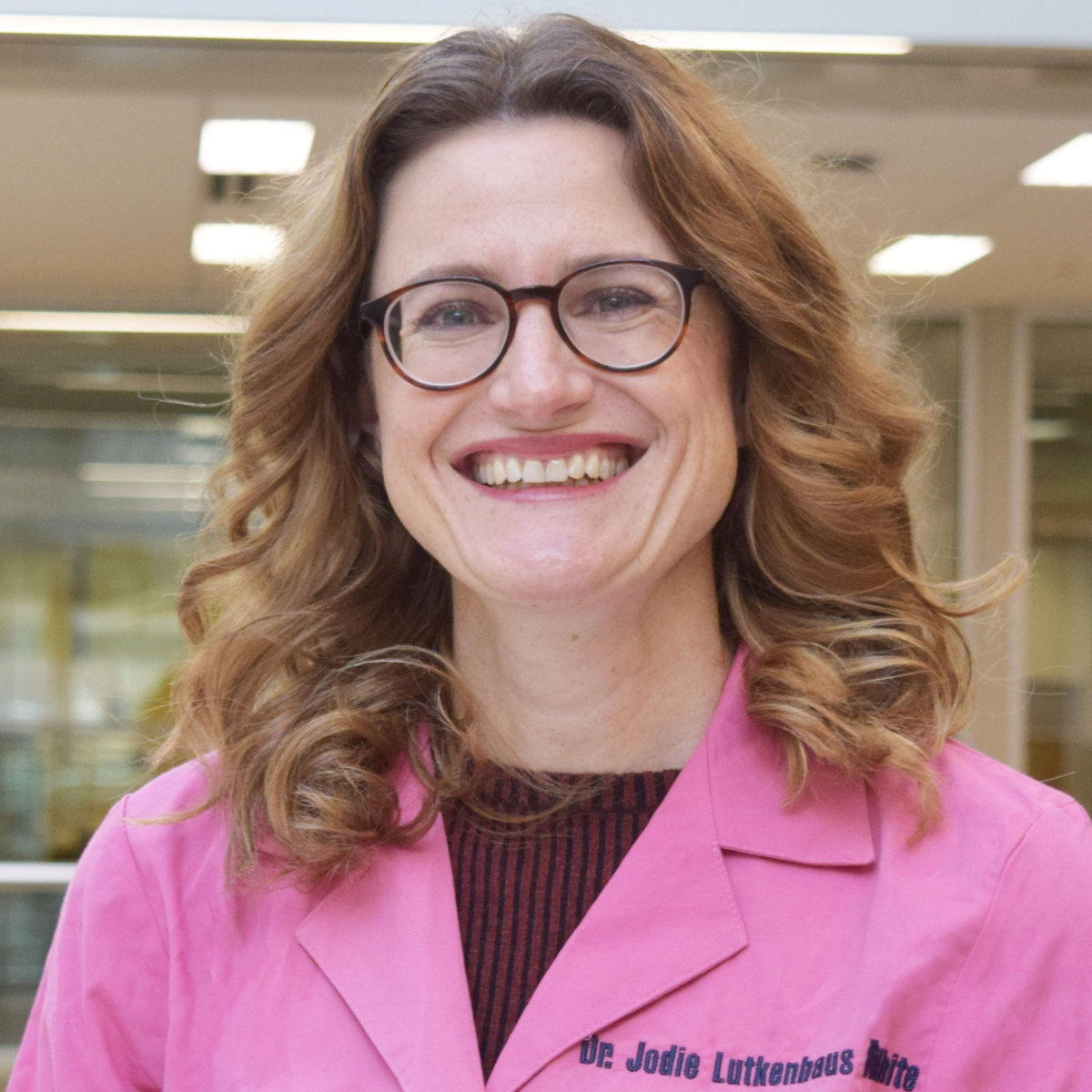
Jodie Lutkenhaus, Ph.D., is a Professor of Chemical Engineering and Associate Dean for Research at Texas A&M University and a leader in the field of advanced polymer and energy materials research. Since joining the faculty at Texas A&M in 2010, Dr. Lutkenhaus has built a dynamic research program focused on understanding the fundamental behavior of charged polymers and translating those insights into real-world applications, including functional coatings, organic batteries and high-performance composites.
Dr. Lutkenhaus received the 2022 Edith and Peter O’Donnell Award in Engineering from TAMEST for her innovation and development of redox-active polymers for metal-free energy storage and smart coatings. By developing new molecular-scale characterization methods, she uncovered fundamental connections among polymer dynamics, properties and performance – advances that are helping to reshape the design of next-generation materials.
Driven by a passion for mentorship and discovery, Dr. Lutkenhaus credits her students as the foundation of her success, emphasizing the collaborative nature of modern scientific breakthroughs. Her work reimagines energy storage at the molecular level, advancing sustainable alternatives to traditional lithium-ion batteries by leveraging organic, earth-abundant materials.
As TAMEST celebrates 20 years of honoring scientific excellence in Texas through its Edith and Peter O’Donnell Awards program, TAMEST connected with Dr. Lutkenhaus to reflect on the impact the O’Donnell Awards had on her career, explore her vision for the future of sustainable energy materials and highlight the importance of fostering innovative research and mentorship across the state.
Tell us about yourself and what first inspired you to pursue research in chemical engineering and materials science?
I have been a Professor of Chemical Engineering at Texas A&M University since 2010, and my research focuses on polymer applications in batteries and coatings.
My older sister pursued a degree in chemical engineering, after which she took up a job in the semiconductor industry. I was fascinated with her activities in nanoscale materials processing, and I was inspired to follow in her footsteps. My parents were also scientists. My mom pursued analytical chemistry and my dad studied nuclear physics.
Your work bridges polymers, energy storage and advanced materials — how would you describe its broader impact?
We are fusing these three areas to re-imagine batteries down to their molecular level. Common lithium-ion batteries utilize critical materials like cobalt and lithium, whereas our batteries use organic materials that leverage earth-abundant elements.
Our work spans the design of new polymer active materials, their processing and uncovering their electrochemical charge transfer mechanisms. The impact is that these batteries will allow for more flexible sourcing and manufacturing, independent of existing supply chains.
These batteries can also be designed to degrade on command and have biocompatibility for medical applications. We are also finding that these batteries operate exceptionally well at sub-zero temperatures.
How important is interdisciplinary research to solving complex challenges in energy and materials?
Today’s new innovations and discoveries are made by teams – not by individuals. This is because the problems being solved are so complex that not one person can tackle all aspects.
What did receiving the O’Donnell Award in Engineering mean to you?
At that point in my career, the O’Donnell Award was the most significant and meaningful recognition I had ever received.
It felt like I was standing at the top of a mountain, looking at all the future possibilities for my research program. It inspired me to think more creatively about the future of organic batteries.
What makes you most passionate about your work?
My passion is really fueled by my student researchers. I take joy in sharing their discoveries and guiding them through their career. This research would not be possible without them!
As the O’Donnell Awards celebrate 20 years, what does this anniversary and recognition mean for you and other researchers in the state?
This anniversary marks a sustained investment in and celebration of the best science and engineering that Texas has to offer.
Being recognized by the best-of-the-best scientists and engineers in Texas is immensely meaningful to anyone who receives it. The O’Donnell Awards allowed me to feel a deeper connection to my peers and mentors among other Texas institutions.
Why do you live and work in Texas?
I am a 4th-generation Texan, and many of my family members still live and work here. I feel a strong connection to the State, and I want to give back for all that Texas has given me. And — bluebonnets — what more can I say!
What advice would you offer to early-career faculty building research programs in Texas today?
My advice to early-career faculty is to be bold and to be aggressive. Besides doing “what you know,” try to push the edges of your knowledge and dream big.